
Luxury Botswana Safari
Discover What Defines Botswana
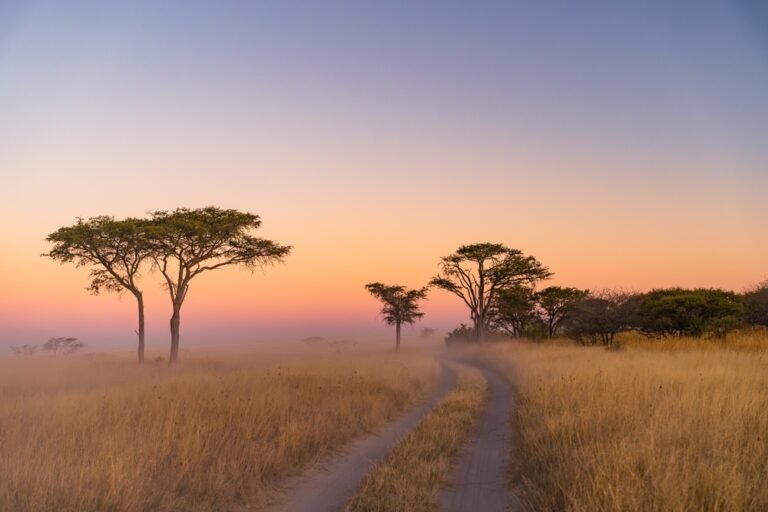
The Okavango Delta’s Water Wilderness: The Okavango Delta transforms seasonally as floodwaters arrive from Angola, creating a safari landscape navigated by mokoro canoe, boat, and foot. Water-based wildlife viewing sets Botswana safari tours apart from traditional savannah-only itineraries.
Elephant Strongholds of Chobe: Chobe National Park holds one of Africa’s largest elephant populations. River cruises along the Chobe River provide elevated viewing angles as herds gather along the banks during the dry season.
Desert and Delta Contrast: The stark openness of Makgadikgadi Pans contrasts sharply with the lush Delta channels. This dramatic ecological shift allows a Botswana safari to combine arid horizons with predator-rich floodplains in one itinerary.
High-Value, Low-Volume Model: Botswana limits visitor numbers through controlled concessions and fewer camps. This structure protects ecosystems while ensuring wildlife encounters feel intimate, undisturbed, and far removed from high-traffic safari routes.
Remote Camps in Prime Territory: Botswana luxury safari camps and lodges are typically small, elevated, and positioned in wildlife corridors. Tented suites emphasize open decks, minimal light pollution, and proximity to active habitats rather than scale or urban-style amenities.
Expertise That Shapes Every Encounter: Behind every Botswana safari stands careful seasonal planning and trusted on-the-ground teams. By aligning camps, flood cycles, and wildlife movement with precision, we ensure each day unfolds with quiet confidence rather than coincidence.
The Essence of Botswana
The Okavango Delta’s Living Floodplain
The Elephant Kingdom of Chobe
The Vast Silence of the Makgadikgadi Pans
Predator Territory in Moremi Game Reserve
Walking Safaris in Untouched Concessions
A Conservation Model of Deliberate Restraint
Best Time to Visit Botswana
The best time to visit Botswana is defined by seasonal shifts in wildlife concentration and Delta flood levels. From May to October, dry conditions draw animals toward permanent water sources, creating strong visibility and consistent game viewing.
Between June and August, rising floodwaters enhance water-based safaris in the Okavango Delta. The green season from November to March brings dramatic skies, newborn wildlife, and fewer visitors, offering a quieter yet visually striking Botswana safari experience.
Seasonal Overview
January to March
April to June
July to October
November to December
Botswana Animals & Wildlife Encounters
Buffalo
Cheetahs
Crocodiles
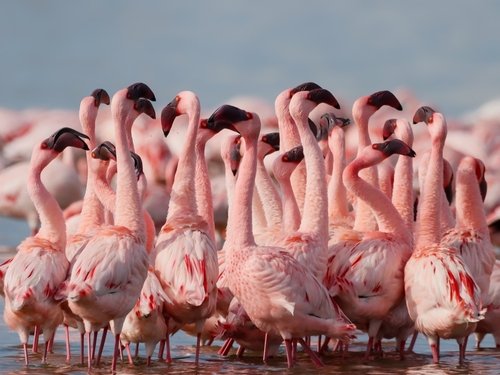
Flamingo
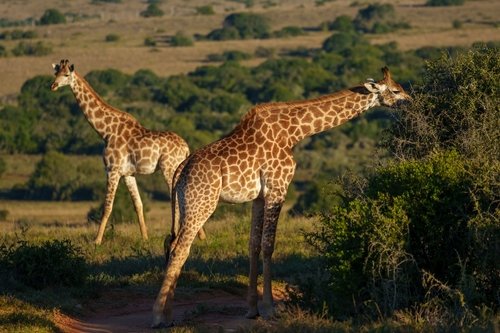
Giraffes
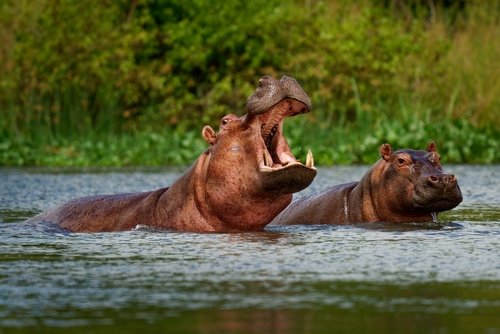
Hippopotamus
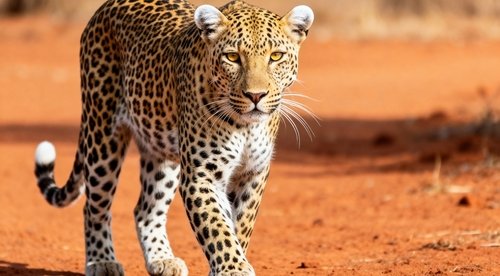
Leopards
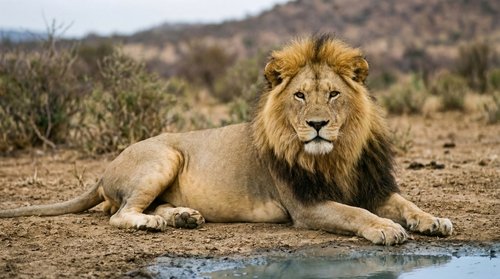
Lions
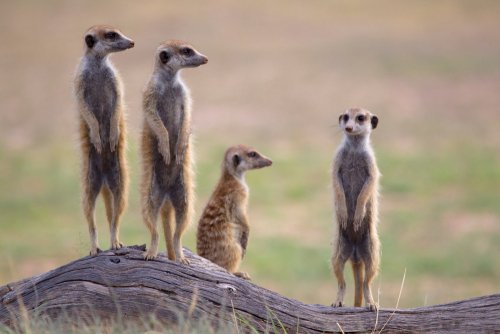
Meerkat
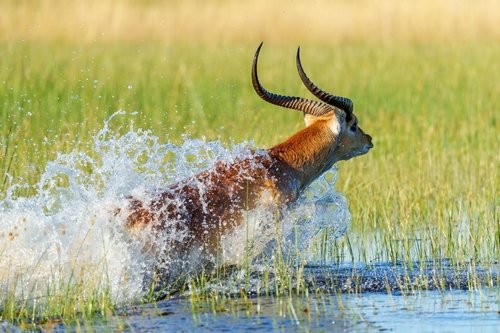
Red Lechwe
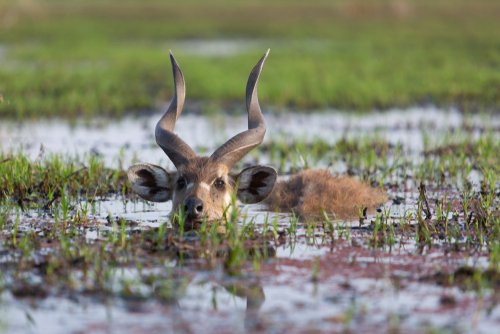
Sitatunga
Wildlife in Botswana unfolds within some of Africa’s most protected and least disturbed ecosystems. A Botswana safari moves between the waterbound channels of the Okavango Delta, the elephant corridors of Chobe, and the predator-rich plains of Moremi. Here, animal movement is shaped by seasonal floods and shrinking dry-season water sources. Because tourism remains low in volume, encounters feel spacious and unhurried.
Below are the most sought-after Botswana animals and where they are most compellingly observed:
Lion
Lions in the Delta adapt to water-dominated terrain, often navigating channels and hunting across floodplains where prey movement is shaped by seasonal water levels.
Leopard
Leopards are frequently encountered in Delta woodlands and riverine corridors. Skilled guiding often reveals individuals resting in trees or moving quietly through shaded terrain at dusk.
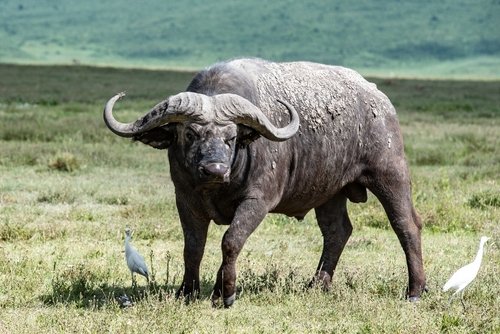
Buffalo
Large buffalo herds move steadily across floodplains and woodland margins, often forming the backbone of predator interactions during peak dry-season wildlife concentration.
Red Lechwe
This semi-aquatic antelope thrives in the Okavango’s marshes, moving gracefully through shallow water and forming herds rarely seen outside Botswana’s floodplains.
Sitatunga
Elusive and water-adapted, sitatunga inhabit papyrus swamps and reed beds within the Delta, making sightings rare and highly prized during guided explorations.
Meerkat
In the Makgadikgadi Pans, habituated meerkat colonies allow close observation as they forage and stand sentinel against vast desert horizons.
Flamingo
After seasonal rains, thousands of flamingos gather across the Makgadikgadi and Nxai Pan wetlands, transforming the white salt crust into a vivid pink spectacle.
Hippopotamus
Hippos dominate Delta waterways, often encountered at close range from mokoro canoes, adding depth and presence to water-based Botswana safari tours.
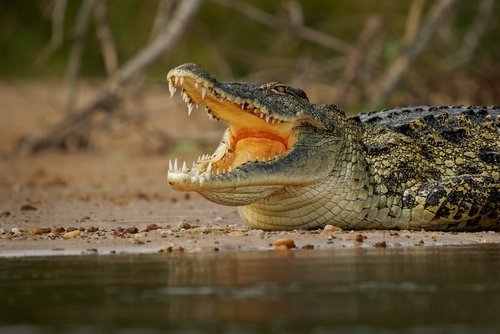
Nile Crocodile
Nile crocodiles patrol permanent channels and riverbanks, frequently seen basking along sandbars or moving silently beneath the Delta’s still water.
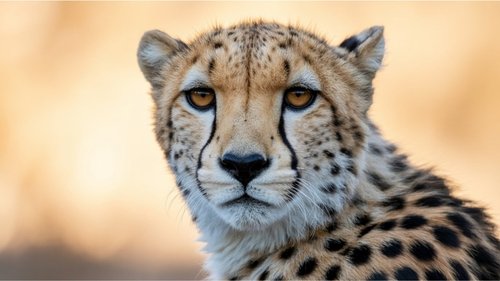
Cheetah
Cheetahs are typically seen in more open grassland areas bordering the Delta, where visibility supports their speed-based hunting strategy across expansive terrain.
Giraffe
Giraffes browse across acacia woodlands and dry grasslands, their height and movement adding quiet elegance to Botswana’s wide, open landscapes.
Signature Experiences in Botswana
Botswana rewards travelers who seek depth, remoteness, and fluid exploration rather than fixed safari routines. Here, water levels dictate movement, vast concessions replace crowded park roads, and each day unfolds with measured unpredictability. These defining experiences capture what makes a Botswana safari uniquely immersive within Southern Africa.
Southern Africa Safari with Rovos Rail Journey 2026
Okavango Delta Safari in Botswana: Chobe, Livingstone & Victoria Falls
Your Stay in Botswana
Accommodation in Botswana is defined by intimacy and an unwavering connection to the land. Rather than large-scale resorts, the focus is on secluded, low-impact camps within private concessions. These properties are intentionally small, prioritizing ecological balance and deep privacy. The result is an atmosphere of refined restraint, where sophisticated design frames the wilderness, ensuring the landscape remains the true focal point.
Luxury Tented Camps
Botswana is renowned for its elevated tented camps, particularly within the Okavango Delta and private concessions. These camps combine canvas architecture with polished interiors, outdoor showers, and expansive decks overlooking active floodplains. Despite their understated footprint, comfort levels are high, blending refined service with direct access to wildlife movement.
Delta Island Camps
Positioned on secluded islands within the Okavango, these camps emphasize water access and seasonal immersion. Boat transfers replace road arrivals, and daily activities may include mokoro safaris or guided walks. The experience feels fluid and elemental, shaped by flood levels and shifting channels.
Private Concession Lodges
Located within vast private concessions bordering Moremi or Chobe, these luxury lodges offer limited guest numbers and flexible game viewing. Elevated suites, plunge pools, and open-air lounges create a balance between wilderness exposure and controlled comfort.
Desert and Salt Pan Camps
In regions such as the Makgadikgadi Pans, camps are adapted to stark, open terrain. Here, design favors minimalism and panoramic exposure, with experiences centered around meerkat encounters, quad biking, and seasonal migration events rather than dense bush viewing.
Exclusive-Use Safari Houses
For families or private groups, exclusive-use properties within concessions provide dedicated staff, private vehicles, and flexible scheduling. These residences emphasize discretion and autonomy while maintaining the guiding standards expected of a Botswana safari.
How We Design Your Botswana Safari
Crafting a Botswana safari requires strategic insight and a refined understanding of landscapes shaped by water and season. Expansive private concessions, shifting flood levels, and deeply secluded camps demand thoughtful planning to secure exceptional wildlife encounters alongside uninterrupted comfort.
We begin by understanding your priorities for solitude, rhythm, and immersion, positioning you within camps chosen for privileged access to wildlife corridors and pristine environments. We curate every Botswana safari with great care. Bush plane logistics, guiding expertise, and environmental patterns are aligned well in advance, allowing your bespoke safari to unfold with ease and assurance.
Supported by trusted local partnerships and real-time regional awareness, we safeguard the integrity of your experience. Should you wish to explore possibilities further, you are invited to connect with our team so we can refine your ideas into a Botswana safari that reflects your vision with precision, discretion, and quiet confidence.
Frequently Asked Questions About a Botswana Safari
Explore Other Places in Africa
You are currently viewing a placeholder content from Vimeo. To access the actual content, click the button below. Please note that doing so will share data with third-party providers.
More InformationYou are currently viewing a placeholder content from YouTube. To access the actual content, click the button below. Please note that doing so will share data with third-party providers.
More InformationYou need to load content from reCAPTCHA to submit the form. Please note that doing so will share data with third-party providers.
More InformationYou are currently viewing a placeholder content from Google Maps. To access the actual content, click the button below. Please note that doing so will share data with third-party providers.
More InformationYou are currently viewing a placeholder content from Google Maps. To access the actual content, click the button below. Please note that doing so will share data with third-party providers.
More InformationYou are currently viewing a placeholder content from Mapbox. To access the actual content, click the button below. Please note that doing so will share data with third-party providers.
More InformationYou are currently viewing a placeholder content from OpenStreetMap. To access the actual content, click the button below. Please note that doing so will share data with third-party providers.
More Information