
Luxury Nambia Safari
Discover What Defines Nambia
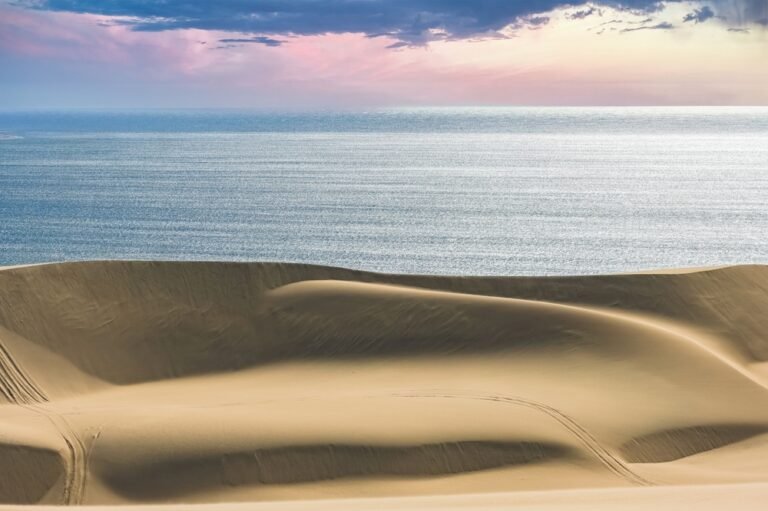
Desert Landscapes of Singular Beauty: The Namib Desert introduces a visual identity defined by towering dunes, shifting light, and expansive silence. Areas like Sossusvlei and Deadvlei provide a rare sense of isolation, where sunrise exploration feels deeply personal and visually extraordinary.
Wildlife Adapted to Extremes: Namibia’s fauna reflects resilience and rarity. Desert-adapted elephants, lions, and oryx navigate arid terrain with remarkable efficiency, creating encounters shaped by patience, tracking expertise, and an understanding of subtle environmental cues.
Etosha’s Salt Pan Ecosystem: Etosha National Park centers around a vast salt pan that attracts wildlife to surrounding waterholes. Game viewing here is rewarding, offering extended sightings of elephants, black rhinos, and predators within an open, easily observable landscape.
The Skeleton Coast’s Remote Drama: Along Namibia’s Atlantic edge, the Skeleton Coast presents shipwrecks, fog-bound beaches, and windswept wilderness. Scenic flights and guided coastal expeditions reveal a stark, haunting beauty that contrasts powerfully with inland desert environments.
Cultural Encounters with Enduring Traditions: Namibia’s human heritage introduces a meaningful perspective. Visits with communities such as the Himba offer respectful insight into traditions preserved across generations, enriching a Namibia safari with cultural depth alongside landscape and wildlife.
Architectural Lodges in Privileged Settings: Namibia safari accommodation often emphasizes design and location equally. Remote desert lodges and private concessions prioritize space, silence, and panoramic views, allowing guests to experience vast landscapes while enjoying refined service and thoughtful comfort.
Expert Guidance Across Vast Terrain: Namibia’s scale demands precision. Our network of specialists understands seasonal movement, terrain logistics, and optimal routing, ensuring your safari unfolds with quiet confidence while maintaining the exclusivity that defines Namibia travel.
The Essence of Nambia
Sossusvlei and the Namib Desert
Etosha National Park’s Waterhole Theater
The Skeleton Coast’s Remote Wilderness
Damaraland’s Desert-Adapted Wildlife
The Himba Cultural Landscape
Swakopmund and the Atlantic Frontier
Best Time to Visit Nambia
Namibia is a year-round destination, yet the character of a Namibia safari shifts with temperature, rainfall, and wildlife concentration. The dry winter months from May to October are widely considered the best and most rewarding for wildlife viewing, as animals gather at water sources and skies remain clear.
Between November and April, Namibia adopts a more atmospheric character as scattered rains reshape the terrain, birdlife flourishes, and travel feels unhurried, creating rewarding conditions for photography and contemplative exploration.
Seasonal Overview
January to March
April to June
July to October
November to December
If timing feels uncertain, we provide tailored guidance based on your priorities, ensuring your Namibia luxury safari aligns with wildlife expectations, climate preferences, and the style of experience you envision.
Nambia Animals & Wildlife Encounters
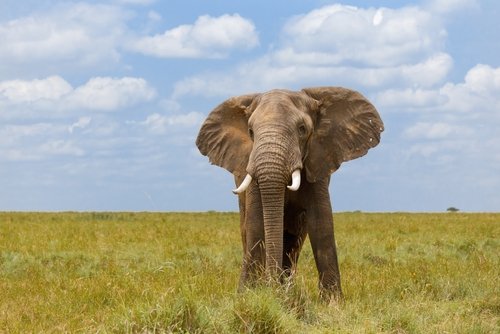
African Elephants
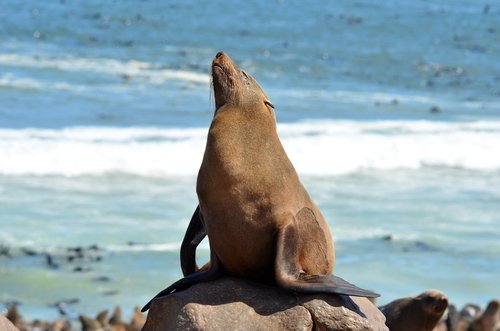
Cape Fur Seals
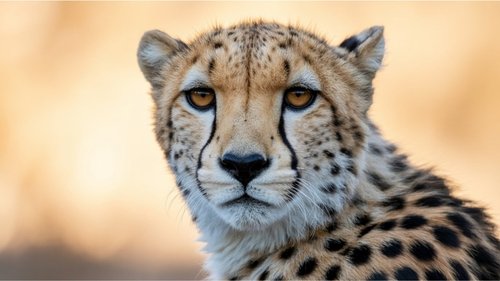
Cheetahs
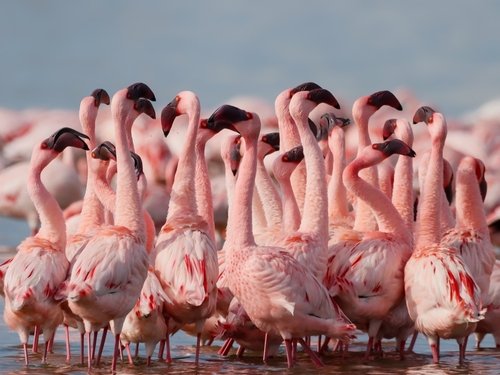
Flamingo
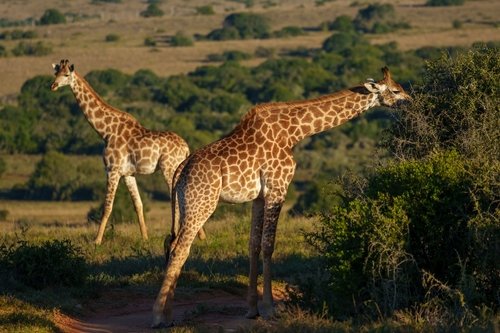
Giraffes
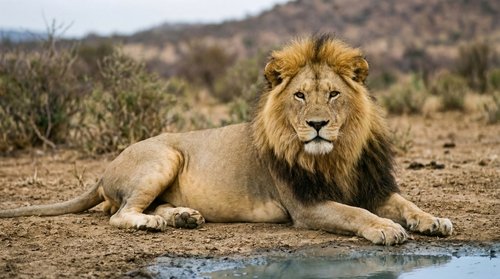
Lions
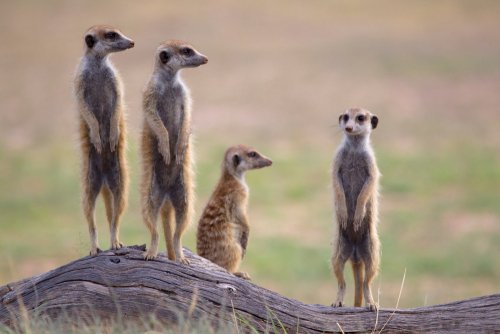
Meerkat
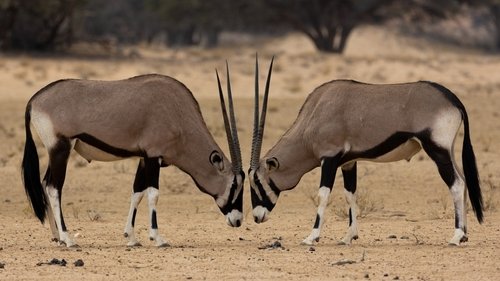
Oryx (Gemsbok)
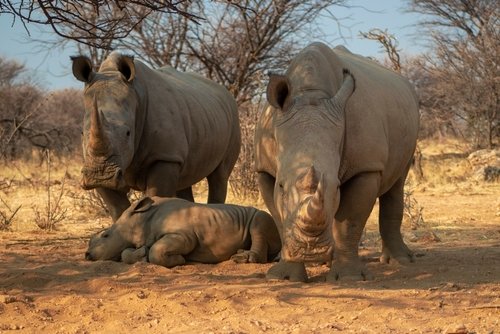
Rhinoceros
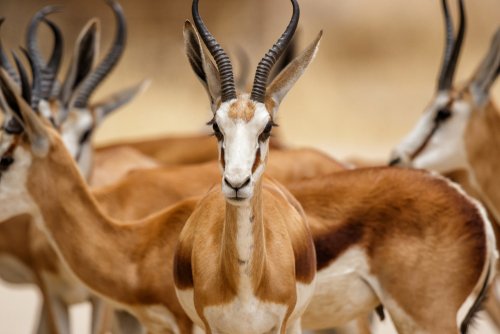
Springbok
Wildlife in Namibia is defined less by density and more by adaptation, resilience, and setting. Encounters unfold across deserts, dry river valleys, and open savannah where animals move with quiet purpose through vast terrain.
If your vision of Africa includes desert elephants against amber dunes, critically endangered rhinos in remote conservancies, and cheetahs roaming wide-open plains, Namibia delivers encounters that feel intimate, unhurried, and emotionally resonant.
Below are the most sought-after Namibia animals, each encountered within landscapes that elevate the experience beyond traditional game viewing:
Desert-Adapted Elephants
These elephants roam dry riverbeds in Damaraland, traveling long distances between water sources. Encounters feel quiet and unhurried, often guided by trackers familiar with their seasonal routes.
Black Rhinos
Namibia protects one of Africa’s strongest black rhino populations. Guided tracking in remote conservancies offers rare opportunities to see these endangered animals in carefully managed wilderness settings.
Desert Lions
Desert-adapted lions survive in Namibia’s harsh environments, particularly along the Skeleton Coast and Damaraland. Sightings are uncommon but deeply rewarding, shaped by expert tracking and patience.
Oryx (Gemsbok)
Perfectly adapted to desert life, oryx are frequently seen across dunes and open plains. Their striking horns and calm presence make them one of Namibia’s most recognizable animals.
Springbok
Springbok move gracefully across Namibia’s plains, often in small groups. Their energetic leaps and contrasting markings add life and movement to game viewing throughout the country.
Cheetahs
Namibia is known for its healthy cheetah population, particularly within private reserves and conservation areas where open terrain improves visibility and increases chances of meaningful sightings.
Giraffes
Giraffes are regularly spotted in Etosha and Damaraland, browsing sparse vegetation and moving slowly across open landscapes, creating relaxed yet visually striking wildlife encounters.
Flamingos
Large flocks gather seasonally at Walvis Bay and coastal lagoons, turning shallow waters pink and introducing a distinctive birdlife experience alongside Namibia’s desert wildlife.
Meerkats
In areas like NamibRand, habituated meerkat colonies allow close observation. Early morning visits reveal playful social behavior against wide desert scenery.
Cape Fur Seals
Thousands of Cape fur seals inhabit Namibia’s Skeleton Coast, where lively colonies create dynamic coastal wildlife encounters that contrast strongly with inland desert safari experiences.
Signature Experiences in Nambia
Namibia quietly reveals itself through moments of clarity. A solitary dune walk at dawn, or a flight above the coastline lost to time becomes more than an activity. These are experiences defined by perspective rather than spectacle. A Namibia safari invites travelers into a landscape where silence feels luxurious, distance becomes a privilege, and every encounter carries a sense of intentional discovery.
Luxury Namib Desert Safari in 2026
Your Stay in Nambia
Namibia accommodation is defined by a rare architectural dialogue with the desert. From the towering red dunes of Sossusvlei to the rugged Skeleton Coast, Namibia lodges and camps use minimalist design to honor the vastness of the landscape. Within private reserves, luxury is found in the quiet exclusivity of a glass-walled suite or a starlit deck. Here, attentive service and curated hospitality create an intimate sanctuary amidst the world’s oldest wilderness.
Desert Lodges
Desert lodges across Sossusvlei and the NamibRand Reserve blend seamlessly with their surroundings, offering panoramic terraces, open-air lounges, and expansive suites. These properties emphasize privacy and stillness while delivering refined comfort and uninterrupted views of Namibia’s dramatic desert landscapes.
Luxury Tented Camps
Luxury tented camps provide an immersive safari atmosphere while maintaining high comfort standards. Located near wildlife corridors and private concessions, they combine canvas elegance, personalized guiding, and intimate layouts that enhance proximity to nature without compromising service or amenities.
Shipwreck & Themed Cabins
Along Namibia’s Skeleton Coast, shipwreck-inspired cabins and themed retreats offer distinctive stays shaped by maritime history. Remote positioning, dramatic coastal scenery, and design-led architecture create atmospheric accommodations that feel both unusual and deeply connected to place.
Namibia Hotels
Namibia hotels in Swakopmund and Windhoek introduce a comfortable urban or coastal pause within safari itineraries. These properties combine modern amenities, thoughtful design, and convenient locations, offering balance between remote wilderness exploration and relaxed city or seaside experiences.
Private Villas
Private villas provide secluded accommodation for travelers seeking privacy and flexibility. Often located within reserves or remote desert landscapes, they offer dedicated staff, spacious interiors, and personalized guiding, allowing guests to experience Namibia at their own pace.
How We Design Your Nambia Safari
Escape the familiar and step into a Namibia where vast horizons, desert silence, and rare wildlife encounters reshape the meaning of safari travel. Each bespoke safari we create begins with your dreams, guiding the selection of regions, lodges, and experiences that reflect how you wish to explore this remarkable country. From dune landscapes to remote wildlife corridors, every element is arranged to flow naturally, allowing discovery without urgency.
Careful coordination of distances, seasons, and guiding ensures your journey feels effortless while maintaining privacy and depth. Our established regional relationships allow access to properties and experiences positioned for meaningful encounters rather than chance sightings. As your vision begins to take shape, we welcome the opportunity to refine it with you, crafting a Namibia safari that feels personal, intentional, and quietly extraordinary.
Frequently Asked Questions About a Namibia Safari
Explore Other Places in Africa
You are currently viewing a placeholder content from Vimeo. To access the actual content, click the button below. Please note that doing so will share data with third-party providers.
More InformationYou are currently viewing a placeholder content from YouTube. To access the actual content, click the button below. Please note that doing so will share data with third-party providers.
More InformationYou need to load content from reCAPTCHA to submit the form. Please note that doing so will share data with third-party providers.
More InformationYou are currently viewing a placeholder content from Google Maps. To access the actual content, click the button below. Please note that doing so will share data with third-party providers.
More InformationYou are currently viewing a placeholder content from Google Maps. To access the actual content, click the button below. Please note that doing so will share data with third-party providers.
More InformationYou are currently viewing a placeholder content from Mapbox. To access the actual content, click the button below. Please note that doing so will share data with third-party providers.
More InformationYou are currently viewing a placeholder content from OpenStreetMap. To access the actual content, click the button below. Please note that doing so will share data with third-party providers.
More Information