
Luxury Tanzania Safari

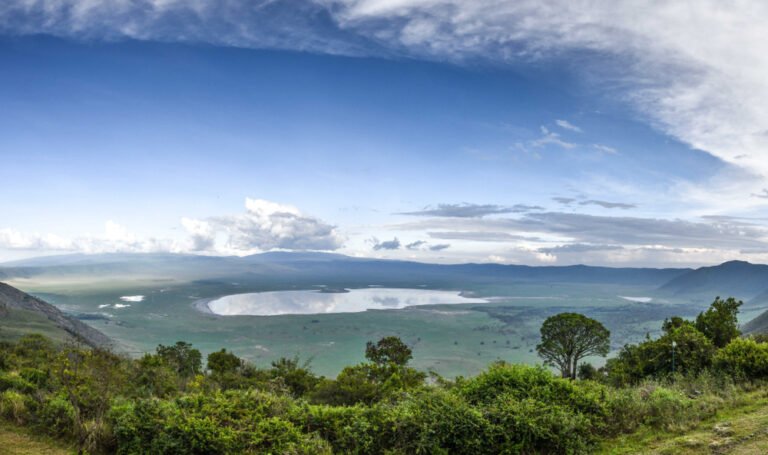
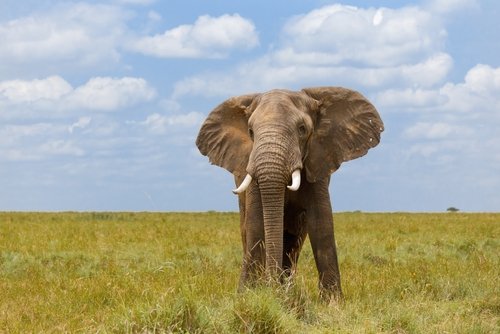
A Tanzania safari presents itself in vast, uninterrupted sweeps of land where distance becomes part of the experience. Plains fade into river lines, ancient calderas hold extraordinary numbers of animals, and horizons seem to expand with the light. Whether watching elephants advance across open ground or predators resting between hunts, the atmosphere feels both powerful and deeply rooted.
What distinguishes the country is how naturally its regions complement one another. The Serengeti’s movements, the contained abundance of the Ngorongoro area, and quieter southern or western reaches provide contrast without complication. Throughout, wildlife density remains impressive while the sense of space endures. Well-placed flights simplify transitions and preserve valuable time where it matters most. Planned with insight and reliable support, Tanzania flows with quiet confidence, resulting in a safari that is expansive, balanced, and profoundly rewarding.

Discover What Defines Tanzania

Tanzania is shaped by magnitude, movement, and geography working in powerful alignment. Immense plains, shifting herds, volcanic formations, and carefully chosen vantage points determine how each day reveals itself. Success here is rarely accidental. It comes from understanding terrain, seasonality, and positioning with accuracy. The elements below form the structural foundations of a Tanzania safari, influencing everything from wildlife intensity to where you rest each night.

Wildlife on a Grand Scale: Across Serengeti National Park, vast plains sustain extraordinary animal density. When season and positioning align, herds, predators, and open visibility combine to create encounters that feel immense, cinematic, and deeply memorable.

The Theater of the Migration: Northern Tanzania hosts key stages of the migration cycle. In areas such as the Serengeti corridor, knowledgeable guidance may reveal river tension, circling predators, and constant movement shaped entirely by rainfall.

Big Cats in Prime Habitat: Regions including the Serengeti and parts of Ngorongoro Crater provide strong terrain for predators. Open landscapes and healthy prey numbers support extended sightings when approached with patience and insight.

A Landscape of Remarkable Variety: A Tanzania safari may move from endless plains to crater rims and alkaline lakes within days. This geographical contrast keeps journeys dynamic while offering continually changing wildlife behavior and light.

Lodges Positioned for Advantage: From mobile setups in migration areas to permanent high-end lodges overlooking key routes, location determines outcome. Well-placed properties allow travelers to remain close to wildlife while enjoying privacy and considered service.

Expertise That Positions You Well: Behind each well-timed encounter stands a network of exceptional guides and planners whose understanding of terrain, season, and wildlife movement ensures you are always positioned where the extraordinary is most likely to unfold.

The Essence of Tanzania

The Great Migration of the Serengeti

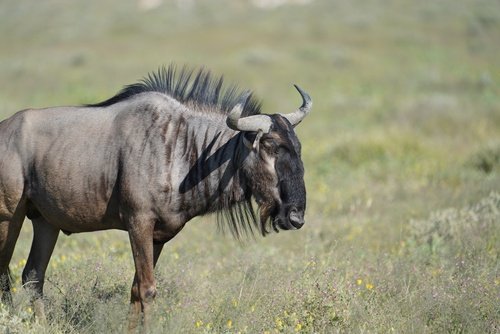
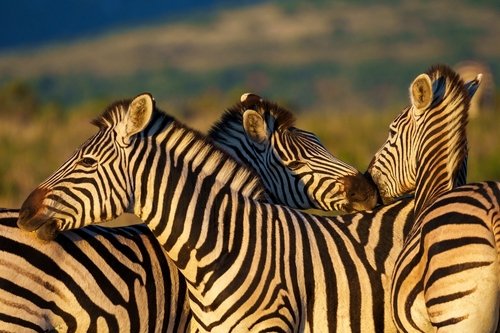
The Serengeti is the stage for the world’s most significant wildlife movement. Over two million wildebeest and zebras traverse these plains in a constant search for fresh grazing. This is a landscape of high-stakes drama, where predator-prey encounters are frequent and the sheer scale of life moving in unison creates a powerful, unforgettable connection to the wild.

The Ngorongoro Crater’s Lost World

This collapsed volcano has created a self-contained ecosystem unlike any other. Within its walls, a dense population of lions, elephants, and rare black rhinos thrive in a natural sanctuary. Descending onto the crater floor at sunrise offers a sense of rare privilege, where the concentration of wildlife is so intense it feels entirely cinematic and untouched.

The Spice Island of Zanzibar

Zanzibar offers a sophisticated blend of white-sand sanctuary and ancient Swahili culture. Beyond the historic alleys of Stone Town, the island’s luxury is found in secluded beachfront estates and private offshore atolls. The crystalline waters of the Indian Ocean provide a profound stillness, where the movement of traditional dhows across the horizon dictates a relaxed, intentional pace.

The Giants of Tarangire

Dominated by ancient baobab trees and the Tarangire River, this park is a sanctuary for Africa’s largest elephant herds. During the dry season, the concentration of wildlife around the water is exceptional. It is a ruggedly beautiful landscape that offers a quieter, more intimate safari experience, providing a deep sense of the continent’s prehistoric and wild roots.

The Maasai and Hadzabe Heritage

Tanzania’s human history is as diverse as its landscapes. Engaging with the iconic Maasai or the ancient Hadzabe hunter-gatherers provides a genuine perspective on cultures that remain resilient today. These encounters are curated to be respectful and authentic, offering a rare glimpse into traditional ways of life that exist in harmony with the rhythms of the natural world.

Mount Kilimanjaro: The Roof of Africa

Even for those who do not climb, the sight of Kilimanjaro’s snow-capped summit is a defining image of the continent. As the highest free-standing mountain in the world, its presence is a majestic reminder of Tanzania’s geographical diversity. The mountain serves as a dramatic backdrop to the surrounding plains, stretching from tropical forests to glacial peaks.

Best Time to Visit Tanzania

Choosing the ideal window for a Kenya luxury safari means weighing wildlife movement, climate, and how privately you wish to experience the landscape. While the dry months of July to September are famous for dramatic concentrations of animals and potential Migration activity, the “short dry season” of January and February offer equally rewarding conditions with fewer travelers.

Seasonal Overview

January to February

These warm, dry months offer refined safari conditions, with thinner vegetation and strong predator sightings across many regions. Visitor numbers remain moderate, creating a relaxed rhythm on game drives. The principal calving season occurs in nearby Tanzania, making combined Kenya and Tanzania journeys particularly compelling at this time of year.

March to May

The long rains bring a profound stillness and total seclusion to the bush. For those seeking slow travel, this season provides a rare, deeply personal connection to the wild. While some areas are less accessible, the emerald landscapes are at their most photogenic, offering a unique perspective of Africa’s beauty.

July to October

This is the most prestigious window, defined by the Great Migration’s arrival in the Masai Mara. As the landscape dries, wildlife concentrates around water, offering unparalleled visibility. We recommend private conservancies during these months to ensure exclusive, unhurried sightings of the dramatic river crossings away from the peak-season crowds.

November to December

The “short rains” transform the golden plains into a lush, vibrant paradise. This season is a favorite for travelers who value the “luxury of space” and dramatic light. While brief afternoon showers occur, they clear the dust, resulting in spectacular sunsets and an exceptional period for spotting migratory birds.

Tanzania Animals & Wildlife Encounters

If witnessing lions on open plains, vast elephant herds, or the thunder of migrating wildebeest ranks high on your expectations, knowing where to be becomes essential. Tanzania’s immense landscapes reward informed positioning. Our role is to guide each Tanzania safari toward the regions and seasons where these defining wildlife moments reveal themselves most consistently.

Below are the most sought-after Tanzania animals, encountered in world-class settings to ensure your journey aligns with the rhythms of the wild:

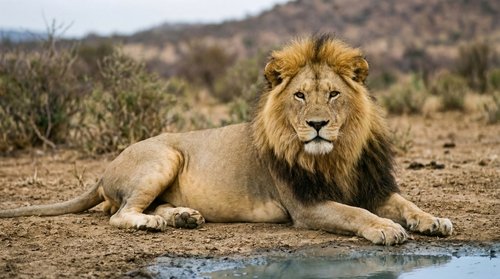
    Lions

    Large prides dominate many regions of northern Tanzania, often visible resting, hunting, or moving between territories across open terrain where observation can continue unhurried.

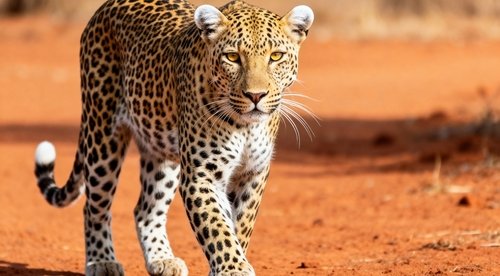
    Leopards

    Solitary and elusive, leopards favor riverine woodland and elevated branches. Experienced tracking significantly improves the likelihood of meaningful sightings, particularly during quieter hours.

    Cheetahs

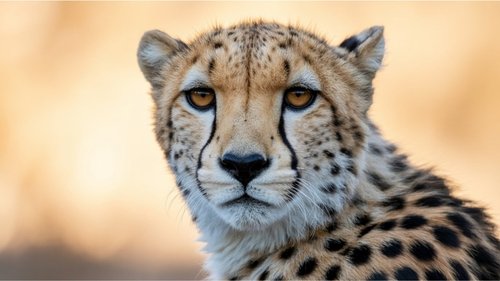
    Open grasslands create ideal hunting grounds for cheetahs. When located, their behavior often unfolds in full view, offering extended opportunities for observation and high-speed photographic moments.

    African Elephants

    From family groups crossing the Serengeti to impressive gatherings in Tarangire, elephants appear in varied habitats, their scale and calm presence shaping many safari days.

    Wildebeest and Zebra

    These animals form the backbone of the migration system, their seasonal movement determining predator patterns and influencing where the year’s most dramatic wildlife scenes occur.

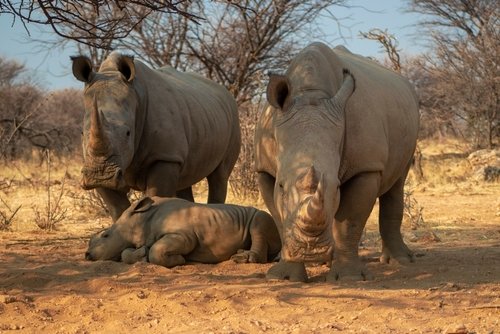
    Black Rhinoceros

    Though never predictable, protected environments such as the Ngorongoro Crater offer one of the stronger chances in Tanzania to encounter this rare and closely guarded species.

    Giraffes

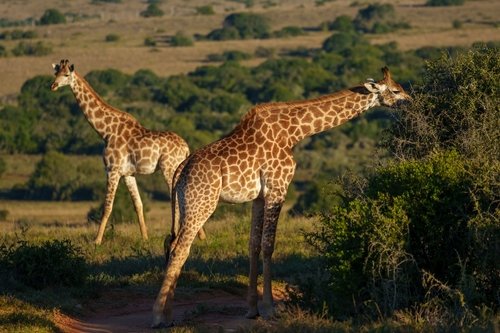
    Often seen moving with quiet grace across open country, giraffes add elegance to the landscape and are frequently encountered throughout the northern circuit.

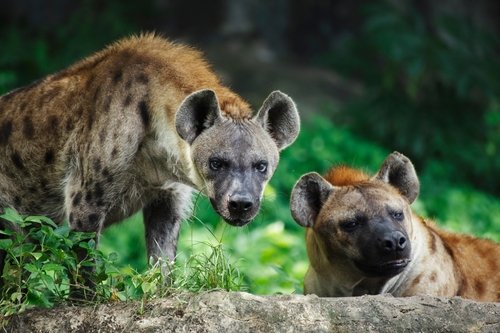
    Hyenas

    Highly intelligent and socially complex, hyenas are active participants in predator dynamics and frequently provide fascinating behavioral moments around migration areas.

Signature Experiences in Tanzania

A Tanzanian safari is defined by its grand proportions and ancient rhythms. From the infinite Serengeti plains to the hidden jungles of the west, we curate each journey to reflect the country’s deep sense of scale, privacy, and wildness.

Family Safari in Kenya and Tanzania with Cultural Experiences 2026

Designed for curious young explorers and discerning parents alike, this family safari across Kenya and Tanzania brings East Africa’s most iconic landscapes vividly to life.
Destinations: Kenya, Tanzania
Suggested Length: 12 Days
Price from: € 12,936

Climbing Kilimanjaro 2026: The Machame Route

This expertly supported ascent along the scenic Machame Route emphasizes gradual acclimatization, attentive guiding, and elevated mountain comfort, allowing climbers to pursue the summit with confidence while fully experiencing the mountain’s dramatic beauty and sense of achievement.
Destinations: Tanzania
Suggested Length: 10 Days
Price from: € 7,615

Ultimate Big Five Tanzania Safari Journey 2026

This Big Five Tanzania safari unfolds along the country’s celebrated northern circuit, weaving together Tarangire National Park’s baobab-studded wilderness, the wildlife-rich Ngorongoro Crater, and the Serengeti’s legendary plains.
Destinations: Tanzania
Suggested Length: 8 Days
Price from: € 8,315

Great Migration Africa Safari Journey Across Kenya and Tanzania

Cross-border routes extend the safari into the Serengeti and Ngorongoro, following broader migration patterns while adding new landscapes and wildlife density.
Destinations: Kenya, Tanzania
Suggested Length: 14 Days
Price from: € 15,677

Tanzania reveals itself through silence, space, and a feeling of prehistoric grandeur. Share your vision with us, and we will architect a journey where timing, expertise, and exclusivity converge to create a definitive African masterpiece.

Understanding Tanzania’s Safari Circuits

Tanzania safaris are traditionally shaped around three primary circuits, each defined by a different mood, wildlife tempo, and level of isolation. 

The Northern Circuit serves as the country’s most celebrated stage, home to the Serengeti and Ngorongoro Crater. This region delivers the quintessential East African experience, where the Great Migration and the Big Five are encountered with reassuring regularity across cinematic plains.

The Southern Circuit, encompassing Nyerere and Ruaha, offers a more rugged and spacious alternative. Here, the luxury lies in the seclusion; journeys are defined by river safaris, walking treks, and a profound sense of privacy amidst untamed bush.

The Western Circuit remains the ultimate frontier for the seasoned traveler. In the Mahale Mountains and Katavi, the experience is rare and intimate, focusing on forest-dwelling chimpanzees and vast, silent floodplains far beyond the reach of the modern world.

Your Stay in Tanzania

Where you stay during a Tanzania safari is inseparable from the experience itself. Properties are selected for privilege of location, immersion in wildlife territory, and the privacy demanded by discerning travelers. 

From elegant tented camps set along migration routes to refined lodges overlooking dramatic landscapes, each night places you within the theater of the wild while preserving comfort, discretion, and deeply attentive service.

Luxury Tented Camps

The defining expression of Tanzania safari accommodation, these camps place you within meaningful reach of wildlife activity while maintaining refined living standards. Generous suites, polished dining, and intuitive service exist in harmony with the sounds, light, and atmosphere of the surrounding plains.

Mobile Migration Camps

Created to follow seasonal wildlife patterns, mobile camps exchange permanence for accuracy. Their strength lies in positioning, often placing guests closer to crossings and predator zones while preserving romance, authenticity, and carefully delivered hospitality.

Safari Lodges

Usually set along crater rims, escarpments, or elevated terrain, lodges emphasize architecture, outlook, and a sense of arrival. Larger footprints allow additional amenities, yet access to prime wildlife areas remains immediate and thoughtfully managed.

Beach Lodges and Island Retreats

On the shores of the Indian Ocean, these properties introduce softness after the drama of safari days. White sands, open horizons, and attentive teams create restorative space while maintaining the elegance expected of a high-end journey.

Tanzania Hotels

Located in Arusha or historic coastal towns, Tanzania hotels provide composed transition points before or after time in the bush. They focus on reliability, comfort, and discreet service, allowing travelers to recalibrate between wilderness immersion and international travel.

How We Design Your Tanzania Safari

For travelers drawn to the scale and drama of East Africa, Tanzania rewards those who approach it with thought and intention. We shape each journey around what matters most to you, matching ambitions with the regions, seasons, and properties that can deliver them best, while maintaining the comfort and privacy expected at this level of travel.

Behind the scenes, we manage the complex logistics of air connections, seasonal wildlife patterns, and park dynamics to craft bespoke safaris tailored to your specific interests and duration, transforming your vision of Africa into a seamless, high-end reality.

Our process begins with a private consultation to align our deep operational knowledge with your personal expectations. By engaging with our specialists, you ensure every detail of your journey is informed by long-standing expertise, allowing your time in Tanzania to unfold exactly as promised.

Tanzania Safari With Zanzibar Beach Holidays

A Tanzanian journey finds its perfect rhythm by pairing the raw intensity of the savannah with the refined serenity of the Indian Ocean. This “Bush and Beach” duality allows for a seamless transition from the dust of a predator-rich safari to the white sands of a private tropical retreat. Beyond the physical contrast, this combination balances the early-morning energy of game drives with the slow-paced luxury of the coast, creating a comprehensive itinerary that captures the full spectrum of East African travel.

Frequently Asked Questions About a Tanzania Safari

Tanzania lies in East Africa, bordered by Kenya and Uganda to the north, Rwanda and Burundi to the west, and the Indian Ocean to the east. Its geography ranges from vast savannah plains to volcanic highlands and tropical coastline, allowing itineraries to combine iconic wildlife regions with beach retreats.
Neutral colors such as beige, olive, and soft browns work best in the bush. Lightweight, breathable fabrics are ideal for warm days, with a jacket for cool mornings. Comfort is essential, but many lodges maintain an elegant, relaxed style for evenings.
The Great Migration is a continuous, year-round movement rather than a single moment. Between January and March, vast herds gather in the southern Serengeti for calving season, attracting intense predator activity. From roughly July through October, animals concentrate in the north, where river crossings provide some of the most dramatic wildlife scenes in Africa.
Swahili and English are the official languages of Tanzania. English is widely used throughout safari operations, including in camps, lodges, aviation services, and guiding. Communication is therefore smooth and comfortable, whether during briefings, wildlife discussions, or while arranging special requests.
There is no universal answer, only the one that fits your expectations. Some travelers prioritize witnessing migration river crossings, others seek remote reserves with few vehicles, while many value walking safaris or cultural dimensions. The most successful journeys are those aligned carefully with season, wildlife patterns, and your preferred pace.
June through October is widely regarded as prime time thanks to dry weather, thinner vegetation, and excellent wildlife visibility. January and February are also outstanding, especially in the southern Serengeti during calving season. Each period offers advantages, and the ideal window depends on what you most wish to witness.
Tanzania offers a sophisticated spectrum of accommodation, from intimate tented camps positioned directly within migration corridors to architecturally striking lodges overlooking craters and rivers. Coastal extensions introduce elegant beachfront properties. Selecting the right stay is crucial, as location influences wildlife access, atmosphere, and overall flow of the journey.
A well-designed safari starts by defining what matters most to you, from migration timing to privacy and guiding style. We then match you with the right circuit, reserve premier camps, arrange air connections, and build a journey curated around opportunity rather than chance.
Scheduled and charter flights link the primary northern airstrips with Zanzibar in roughly one to two hours. Transfers are straightforward, luggage handling is efficient, and the shift from safari tempo to coastal relaxation can often happen within the same day.

Explore Other Places in Africa