Luxury South Africa Safari
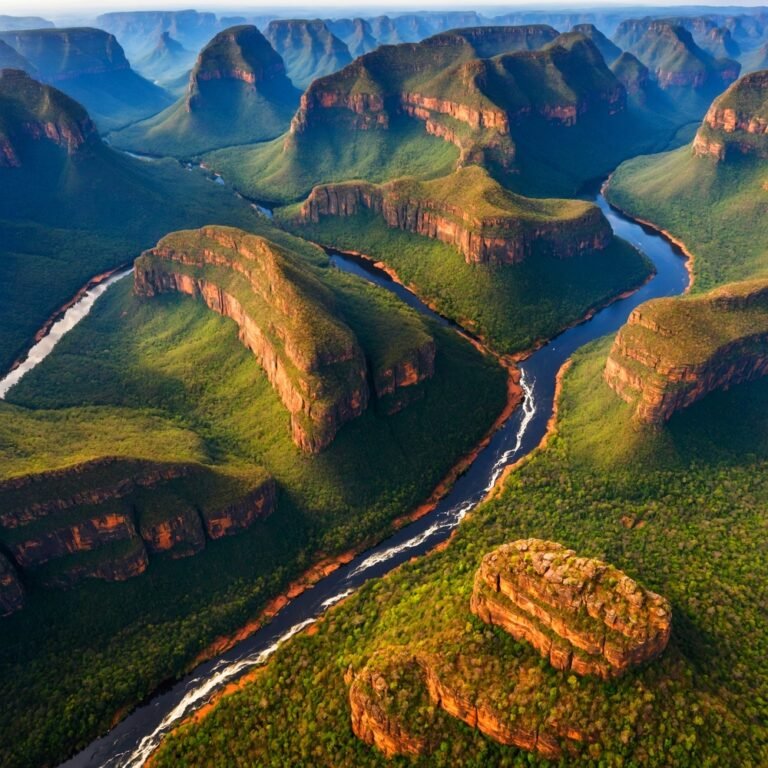
Discover What Defines South Africa
Big Five Safaris with Structure: Reserves such as Kruger National Park and surrounding private concessions offer consistent Big Five sightings supported by seasoned trackers and polished logistics. Wildlife viewing is purposeful and well-managed, delivering depth and reliability rather than uncertainty.
Private Game Reserves of Distinction: Bordering Kruger National Park, reserves like Sabi Sand Game Reserve and Timbavati Private Nature Reserve limit vehicles and allow off-road tracking, creating closer encounters and a more private, controlled safari experience.
Cape Town and the Atlantic Coast: Cape Town introduces a cosmopolitan dimension to the journey. Table Mountain, coastal drives, and refined dining culture create contrast to the bush, offering layered experiences within one of the continent’s most visually striking cities.
The Winelands and Culinary Heritage: The estates of Stellenbosch and Franschhoek blend historic architecture with contemporary gastronomy. Private tastings and vineyard stays bring a measured, indulgent rhythm to itineraries anchored by safari.
Dramatic Coastlines and Marine Encounters: Along the southern shores, whale migrations, penguin colonies, and sweeping ocean cliffs introduce a marine dimension. Seasonal whale watching and coastal exploration expand the journey beyond terrestrial wildlife.
Accommodation with Architectural Presence: South Africa hotels and lodges are often design-led, pairing strong aesthetics with location. From contemporary safari suites to oceanfront residences, properties emphasize space, privacy, and service calibrated for discerning travelers.
The Essence of South Africa
The Kruger and Sabi Sand Ecosystem
Cape Town and Table Mountain
The Cape Winelands
The Garden Route and Whale Coast
The Penguins of Boulders Beach
Robben Island and Historical Perspective
Best Time to Visit South Africa
The best time to visit South Africa depends on which chapter of the journey matters most. For classic Big Five viewing in the Kruger region, the dry winter months from May through September are widely favored, when vegetation thins and wildlife gathers near water.
Meanwhile, Cape Town and the Winelands shine from November to March, when South Africa weather brings long, sunlit days along the Atlantic coast. With contrasting climates across regions, timing is less about a single ideal window and more about aligning season with purpose.
South Africa is a year-round destination and does not follow a single seasonal pattern. The northern wilderness and the Cape region experience opposite rainfall cycles, meaning the ideal month for wildlife viewing often differs from the best time for coastal exploration.
Seasonal Overview
Kruger and Private Safari Reserves
May to September (Dry Winter)
Kruger and Private Safari Reserves
October to April (Green Season)
Cape Town and the Western Cape
November to March (Summer)
Cape Town and the Western Cape
April to October (Autumn and Winter)
South Africa Animals & Wildlife Encounters
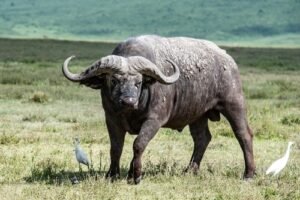
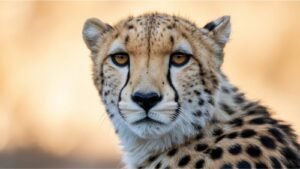
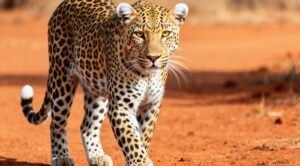
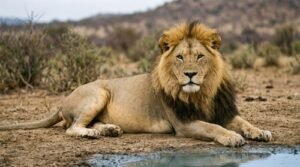
A South African safari is defined by consistency as much as diversity. The country’s established reserves, experienced trackers, and varied ecosystems support reliable encounters with Africa’s most sought-after species. From predator-dense river systems to open savannah and semi-arid plains, wildlife viewing here feels structured rather than uncertain. For many travelers, the appeal lies in both the iconic and the unexpected.
Below are the most sought-after South Africa animals and where they are most compellingly observed.
Lion
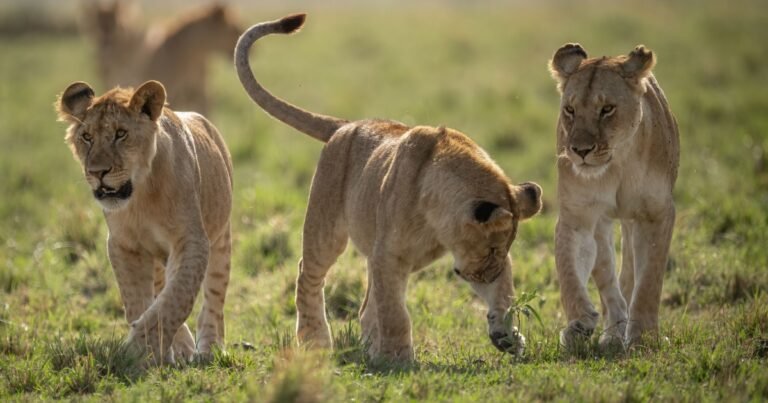
Frequently seen in Kruger and surrounding private reserves, lions are encountered resting in riverbeds or active at dusk, often during extended, well-guided sightings.
Leopard
Sabi Sand is globally renowned for leopard density. Skilled trackers follow fresh spoor, often allowing remarkably close, prolonged observations of these elusive predators.
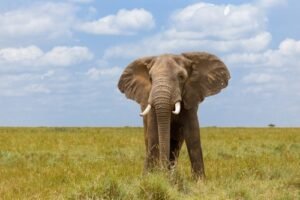
Elephant
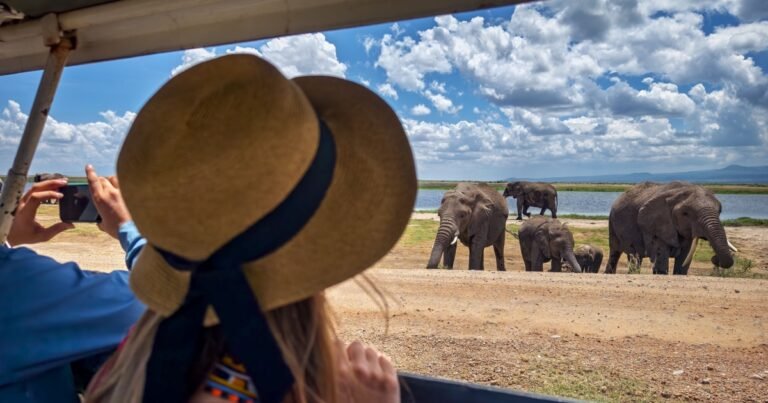
Large breeding herds move steadily through Kruger’s riverine systems. Encounters are calm yet commanding, particularly during dry months when water sources draw animals together.
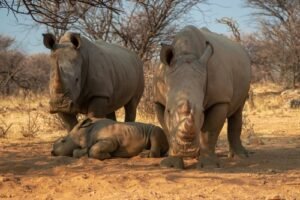
Rhinoceros
Both black and white rhinos inhabit select reserves. Sightings are carefully managed, with conservation-focused guiding that emphasizes protection and respectful distance.
African Buffalo
Massive herds gather in open clearings and along riverbanks. Their sheer presence adds scale and weight to classic Big Five game drives.
Cheetah
Spotted primarily in private reserves and open areas, cheetahs are observed scanning termite mounds or moving swiftly across plains in pursuit of prey.
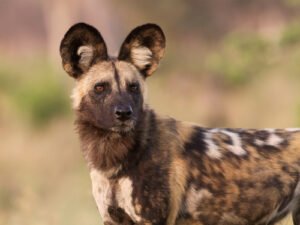
African Wild Dog
One of Africa’s most endangered predators, wild dogs are occasionally seen in Kruger and certain private concessions, offering rare and memorable encounters.
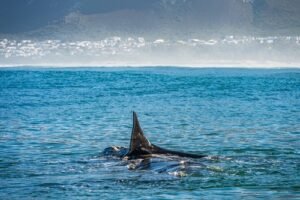
Whale (Southern Right)
Between June and November, southern right whales migrate along the Western Cape, especially near Hermanus, providing accessible and dramatic marine wildlife viewing.
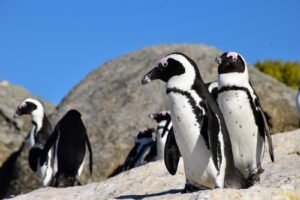
African Penguin
At Boulders Beach near Cape Town, a protected colony allows close yet respectful observation of these charismatic seabirds in a coastal setting.
Signature Experiences in South Africa
South Africa draws discerning travelers with a rare breadth of possibility. A safari here extends beyond game drives, encompassing refined coastal living, culinary distinction, and culturally layered cities. The experiences below represent the defining pursuits that shape journeys of depth and sophistication.
Southern Africa Safari Extensions
Cultural and Historical Insight
Shark and Marine Encounters
Garden Route Exploration
Wine and Culinary Journeys
Safari and Cape Town Combinations
Private Reserve Safaris
Big Five Safaris
Your Stay in South Africa
South Africa offers one of the continent’s most varied accommodation portfolios. A South African safari may include intimate bush lodges, architecturally ambitious private reserves, vineyard estates, or contemporary coastal hotels. Standards are consistently high, yet the atmosphere shifts dramatically by region. The right selection shapes not only comfort, but privacy, pace, and proximity to wildlife or coastline.
Luxury Safari Lodges
In private reserves such as Sabi Sand Game Reserve and Timbavati Private Nature Reserve, luxury safari lodges prioritize space, guiding excellence, and prime wildlife positioning. Suites often feature plunge pools, open decks, and direct bush access, allowing immersion without sacrificing refinement.
Exclusive-Use Villas and Private Houses
For families or private groups, exclusive-use villas within reserves or along the coast provide dedicated staff, private chefs, and flexible schedules. These properties emphasize autonomy and discretion, creating a highly personalized environment within otherwise structured safari regions.
Boutique Cape Town Hotels
In Cape Town, boutique hotels combine contemporary design with dramatic Atlantic views. Many are located in Clifton, Camps Bay, or the V&A Waterfront, offering curated interiors, rooftop terraces, and easy access to restaurants and galleries.
Wine Estate Retreats
Within Stellenbosch and Franschhoek, vineyard estates blend heritage architecture with modern comfort. Guests enjoy private tastings, estate dining, and landscaped grounds framed by mountains, introducing a refined interlude between safari chapters.
Coastal and Oceanfront Residences
Along the Garden Route and Atlantic coast, oceanfront lodges and private residences provide panoramic sea views and direct beach access. These properties emphasize light, space, and understated luxury, often paired with marine excursions or seasonal whale watching.